

Visa denials can be extremely stressful, when your future plans depend on gaining lawful entry, residency, or work authorization in another country. Whether the denial is related to insufficient documentation, prior immigration issues, or simple misunderstandings, many people find themselves unsure of what to do next. This is where immigration lawyers play a critical role. Their experience, legal knowledge, and strategic approach make them invaluable partners for anyone facing a complex visa denial. Understanding how immigration lawyers handle these situations can help you feel more confident and informed as you prepare for the next steps in your immigration journey. Working with an experienced Attorney for immigration Austin TX residents trust can make navigating complex visa and residency processes much easier and more successful.
Understanding the Reason Behind the Visa Denial
The very first step an immigration lawyer takes when addressing a visa denial is carefully reviewing the denial notice. Every denial includes specific reasoning, usually provided by the visa office or immigration authority. These reasons may include missing evidence, incomplete information, security concerns, previous overstays, or questions about eligibility. Many applicants do not fully understand the legal implications of the denial wording, which can lead to confusion or incorrect assumptions. Immigration lawyers analyze the exact language used in the denial to determine whether the issue is procedural, evidentiary, or based on broader eligibility concerns. This careful interpretation helps them create a clear roadmap for moving forward and ensures that no detail is overlooked.
Evaluating Your Immigration History and Supporting Documents
Once the reasoning behind the denial is understood, immigration lawyers dig deeper into your immigration history, personal records, and application documents. They review your travel records, prior visa outcomes, and any previous submissions made to immigration authorities. In many cases, a visa denial arises from inconsistent information or missing documentation that may not have seemed important to you at the time of applying. Lawyers have the experience to identify even small gaps that could trigger a denial. They also evaluate supporting documents such as financial statements, employment letters, education certificates, or relationship evidence for family based visas. By reviewing everything together, the lawyer can determine exactly what needs to be fixed, clarified, or strengthened in your next attempt.
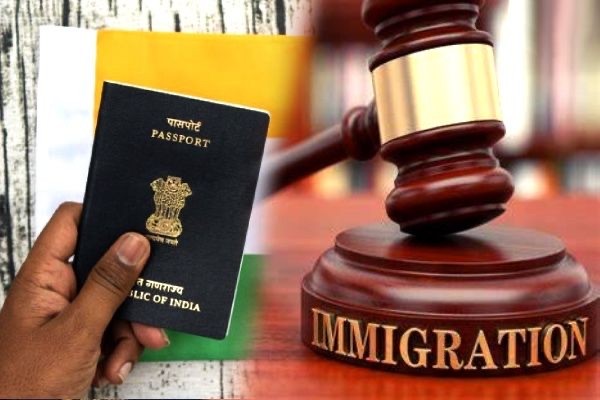
Identifying Legal Options for Overturning or Challenging the Denial
Immigration lawyers are trained to identify all available legal pathways after a visa denial, and these options often depend on the type of visa and the country’s immigration laws. Some denials can be appealed through a formal legal process, while others may require filing a motion to reopen or reconsider the case. In some situations, submitting a completely new application may be the most effective strategy. Lawyers analyze which approach gives you the strongest chance of success while considering deadlines, eligibility rules, and the complexity of your situation. They also help you understand which legal options are realistic and which may be too complicated or unlikely to succeed. This transparency ensures that you take informed and strategic steps.
Building a Strong Case With Additional Evidence
One of the most important roles of an immigration lawyer is helping you gather stronger, more compelling evidence to support your case. Visa denials often occur because the original application did not provide enough documentation to prove your intent, eligibility, or financial stability. Lawyers know exactly what immigration officers look for when reviewing applications, and they can guide you in compiling detailed evidence that addresses the reasons behind the denial. This can include more accurate financial records, employment verification, relationship proof, letters of explanation, or affidavits from third parties. They also help present the evidence in an organized and professional manner that makes it easier for reviewing officers to understand your situation clearly.
Preparing Legal Explanations and Supporting Arguments
In cases involving complex visa denials, immigration lawyers often prepare legal briefs, written explanations, or detailed responses that clarify misunderstandings or resolve issues raised by immigration authorities. These legal arguments are critical when challenging a denial through appeals or motions. A well constructed explanation can demonstrate that the refusal was based on incomplete information, a misinterpretation of the documents, or an oversight by the reviewing officer. Lawyers reference immigration laws, policy manuals, and past decisions to build strong, persuasive arguments that support your case. Their guidance in legal writing allows them to communicate clearly and professionally with immigration officials, which significantly improves your chances of a successful outcome.
Representing You During Appeals or Hearings
Some visa denials require formal hearings or appeals before immigration tribunals or review boards. This process can feel intimidating if you have never been involved in legal proceedings before. Immigration lawyers represent you during these hearings, ensuring that your case is presented effectively and that all necessary documents and arguments are ready. They also prepare you for any questions that might be asked during the appeal and help you understand the structure and expectations of the hearing. Their ability to communicate your situation clearly and respond confidently to inquiries can make a meaningful difference in the final outcome of your appeal.
Communicating With Immigration Authorities on Your Behalf
Handling visa denials often requires direct communication with immigration offices, consulates, or legal departments. This can involve submitting documents, responding to requests for additional information, or clarifying parts of the application that were misunderstood. Immigration lawyers manage all of these communications for you, ensuring that every response is accurate, timely, and consistent with your overall legal strategy. By allowing your lawyer to communicate directly with the authorities, you reduce the risk of saying something that could harm your case or create additional complications. Lawyers understand how to navigate the system efficiently, which helps prevent unnecessary delays.
Preventing Future Visa Issues Through Strategic Planning
A visa denial can also reveal potential long term issues that could affect future immigration applications. Immigration lawyers help you understand these risks and develop a plan to avoid similar problems later. For example, they may advise you on how to maintain better documentation, address past immigration violations, or strengthen your eligibility over time. Their long term guidance is useful for people seeking permanent residency, work permits, or family based visas. By taking a proactive approach, your lawyer ensures that future applications are stronger, more accurate, and far less likely to result in another denial.
Conclusion
Dealing with a complex visa denial can feel overwhelming, but immigration lawyers proficient in turning these difficult situations into manageable legal processes. Their experience with immigration law, documentation requirements, and appeal strategies allows them to identify the solutions and guide you step by step through the next stage. From analyzing the denial to building a stronger case, preparing legal arguments, and communicating with authorities, immigration lawyers play a crucial role in increasing your chances of success. With the right legal support, a visa denial does not have to be the end of your immigration journey. Instead, it can become the beginning of a well informed and strategic path toward achieving your immigration goals.
About The Author
